Building-standard plates · made in Ajman

Tenant Name Plates for Buildings in Dubai, Sharjah & Ajman

Bayan Signage makes tenant name plates for landlords, developers and facility managers: one standard plate at every unit, the same height and finish on every floor, with a name insert the building team can change the day a lease is signed. We cut, print, label and install whole buildings from our own factory in Ajman.

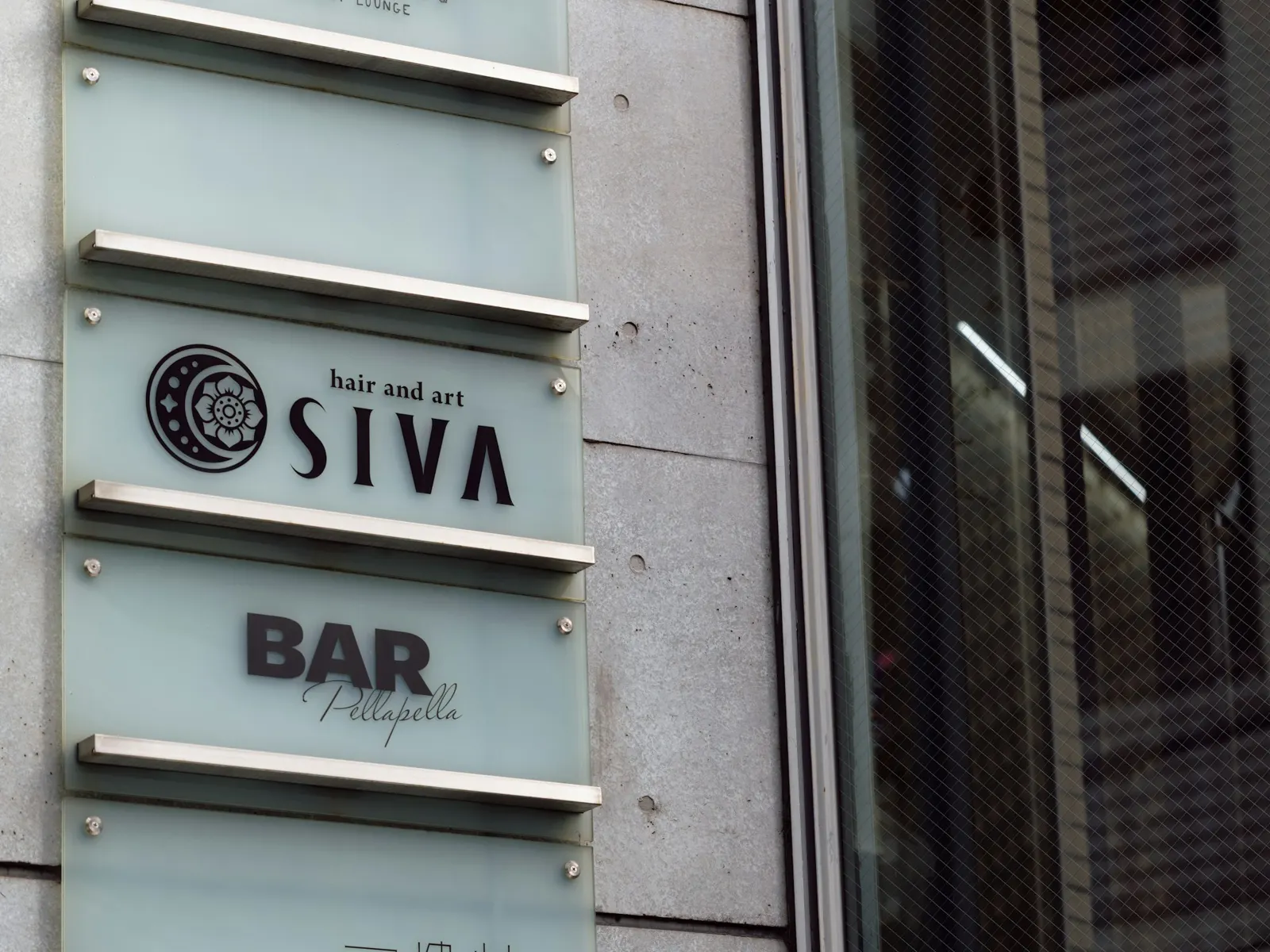
Stacked tenant name plates fixed to a stone wall beside a building entrance
Illustrative photo · Unsplash
2016Factory established in Ajman
500+Clients across the UAE
In-houseDesign, fabrication and installation
24 hTypical quote turnaround
Prepared by Bayan Signage production & estimating teamFactory: Alam Square, Industrial Area 2, AjmanUpdated
Tenant Name Plates in the UAE

Tenant name plates: the landlord's sign at every door

Tenant name plates are the standard signs fixed beside each unit in an office, retail or mixed-use building, showing the unit number permanently and the current tenant's name on a changeable insert. They belong to the building, not the tenant. Across a tower with 150 or 300 units they become one of the most visible parts of the building's identity, and they are what a visitor checks after stepping out of the lift.

Because they are ordered by the hundred and stay on the wall for many years, small decisions multiply. An insert window a few millimetres too short, a lens that glares under corridor downlights or a fixing that can be undone with a coin will show up on every floor. We make a sample plate first, fix it on site for approval, and only then run the batch, so the building signs off a real plate rather than a drawing.

Bayan Signage is the production arm of Bayan Advertising, a UAE group with 15 years in the market, and our Ajman factory has been running since 2016. Plates are CNC-routed or laser-cut, inserts printed and every unit labelled by floor in-house, and our project managers work from your unit schedule from start to handover. When a tenant changes, we already hold the template for your building.

Trusted by 500+ UAE businesses, including

Al-Futtaim logoAl Ghurair logoMultiply Group logoAriston Group logoCARS24 logoDouble A logo
Our process

How we produce tenant name plates in our Ajman factory

  1. Unit schedule and site check

    We start from your unit schedule, walk a typical floor to check door positions, wall finishes and glass fronts, and flag units where the latch side is blocked. The visit is free in Dubai, Sharjah and Ajman.

  2. Sample plate on the wall

    Our designers set the layout, then we make one plate in the final finish and fix it on site, so the building team judges glare, contrast and size under the real corridor lighting.

  3. Batch cutting and finishing

    Plates and frames are CNC-routed to ±0.1 mm or laser-cut, then anodised, powder-coated or brushed. Unit numbers are UV-printed, cut in vinyl or bonded on as raised letters, and every plate is checked against the schedule.

  4. Insert printing and labelling

    Name inserts are printed from the building template, matched to their plates and packed by floor and unit, so the installation crew never has to sort hundreds of near-identical plates on site.

  5. Jig-set installation

    Our crew uses a jig to set the same height and distance from the door frame on every unit, fixes plates with security screws or bonding, and ticks each one off the schedule.

  6. Phased inserts and template

    For new buildings, unit numbers go up for inspection and names follow as leases are signed. The facility manager keeps the template and spare inserts for future changes.

Specification

Tenant name plate specification

This is the plate we propose for most commercial buildings. Landlords with an interior design scheme often change the finish, and every change is itemised.

ComponentOur standardUpgrade optionsWhy it matters
Frame or baseAnodised aluminium extrusion with end capsBrushed stainless, PVD, powder-coated to RALThe frame carries the building's look for years while the names keep changing.
Unit numberUV-printed or cut vinyl, 30 to 50 mmEngraved and paint-filled, or raised CNC-cut acrylic or laser-cut stainless numbersVisitors look for the number before the name, so it is the largest element.
Name insertPrinted paper or PVC from the building templatePrinted aluminium strip, slide-inA template keeps every name in the same font and size, whoever prints it.
Lens2 mm non-glare clear acrylicLockable lens, anti-scratch coatingNon-glare stops downlights washing out the name when seen from an angle.
FixingTamper-resistant screws into plugsConcealed fixings, structural bonding on glassPlates in shared corridors otherwise go missing or get swapped between units.
Spares10 percent spare inserts with the batchSpare complete plates per floorSpares let the building replace a damaged plate without waiting for a new batch.
Our work

Inside our Ajman factory

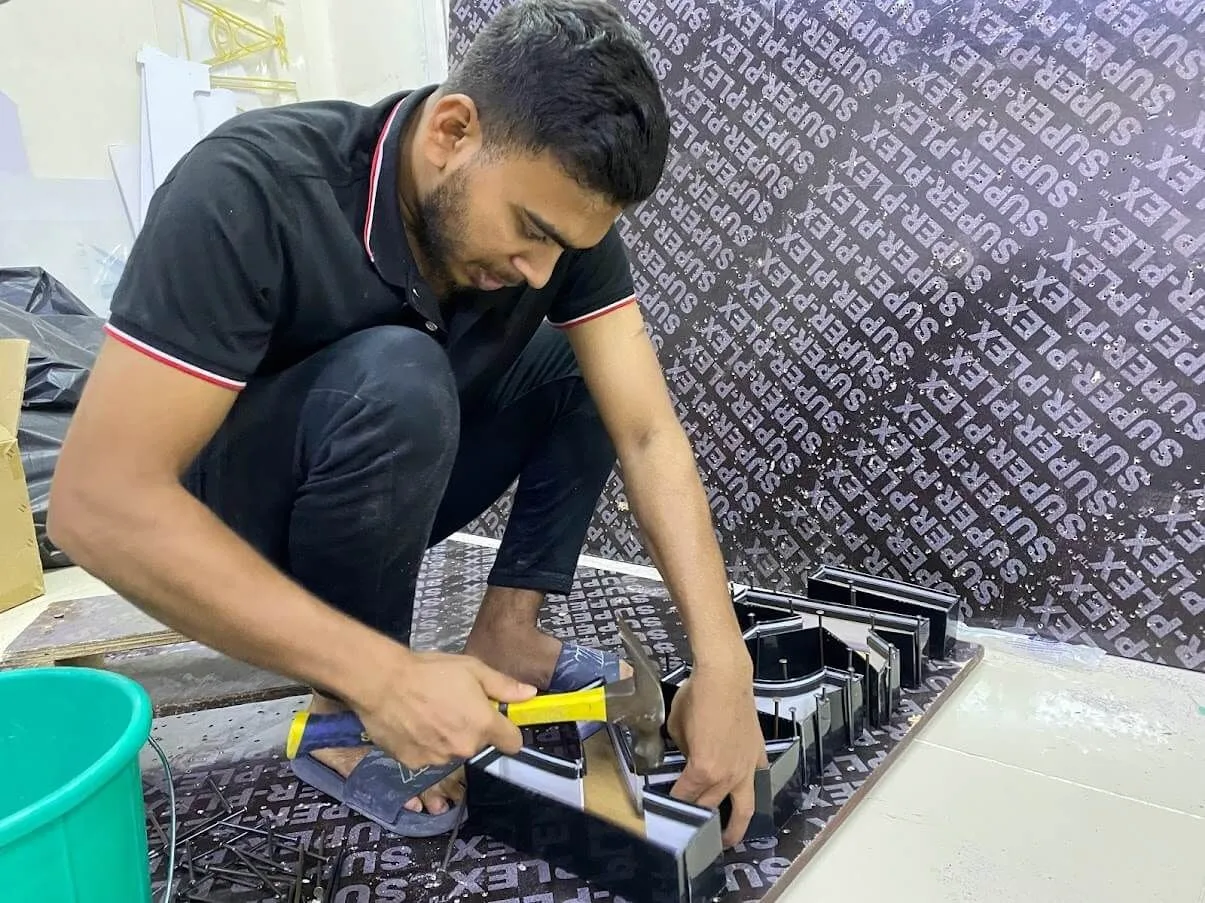
Bayan Signage technician assembling a sign in the Ajman workshop
Assembly in our Ajman workshop
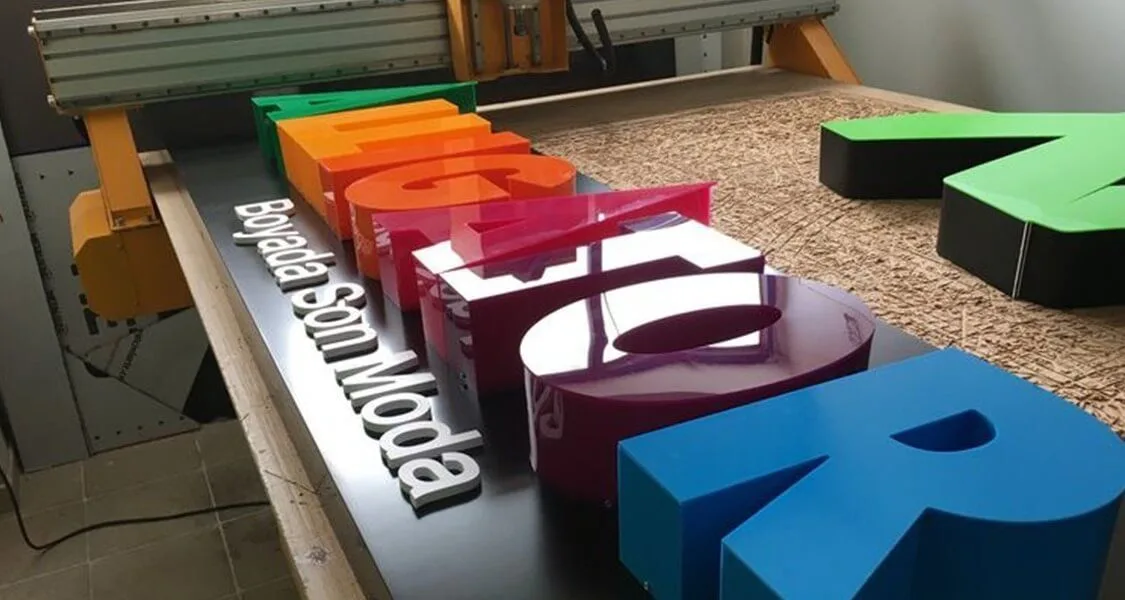
CNC-cut acrylic sign parts on the router bed at the Bayan Signage factory
CNC-cut acrylic parts on the router bed
Stainless steel sign components on the fabrication bench in Ajman
Stainless steel work on the fabrication bench
Expert advice

Advice from our production team

These are the things we discuss with building managers before we cut the first plate. They matter more on tenant name plates than on almost any other sign, because the batch is large.

Make the unit number the biggest thing on the plate

Visitors arrive with a unit number from an email or a delivery app, and they scan for it before they read any name. A plate that gives the company name 40 mm and the number 20 mm makes the corridor harder to navigate. We set the number at 30 to 50 mm and keep names at a fixed 15 to 25 mm, set on two lines when they are long, never shrunk to fit.

Keep tenant branding off the standard plate

The quickest way to lose a uniform corridor is to let each tenant add a logo in its own colours. Keep the plate plain and allow branding on a separate office name sign at the entrance, under the building's signage criteria. Tenants get their identity, and the landlord keeps a building that looks managed.

Avoid paper inserts in sunlit corridors

On podium floors and open walkways, direct sun fades paper inserts within months and the lens can yellow. For those units we specify printed PVC or aluminium strips and a UV-stable lens. The rest of the building can stay on paper inserts, so the cost only rises where it has to.

Fix the mounting height before the sample

Agree the mounting height and the number style with the consultant before the sample plate is approved. Corridors with mixed door types, fire doors with vision panels and glass fronts often push plates to different heights, and a building looks careless when they wander. We mark one height on the drawings, about 1,400 to 1,600 mm to the centre, and hold it on every floor. Changing it after the batch means re-fixing every plate in the building.

Pricing

Tenant name plate price in Dubai: what affects the cost

We quote from your unit schedule and the agreed design. Send the number of units, a photo of a typical door and any finish requirements, and we usually return an itemised quote within 24 hours, with plates, inserts and installation priced separately.

Quantity

Design, tooling and set-up are shared across the batch, so the cost per plate falls noticeably as the number of units rises.

Material and finish

Anodised aluminium and printed acrylic are economical. Brushed stainless, PVD colours and custom RAL finishes add material and finishing time per plate.

Changeable system

Paper insert frames cost least. Slide-in strips and lockable lenses add parts, but make each future tenant change quicker and cheaper.

Raised numbers

CNC-cut acrylic or laser-cut stainless numbers add cutting, bonding and alignment checks per plate, and need their own approval drawing.

Fixing method

Security screws and concealed fixings take longer on site than tape, and glass-fronted units need bonding and a back patch for the inside view.

Installation phasing

Fitting the whole building in one visit is the most efficient. Phasing floor by floor around handover adds repeat visits.

Approvals

Tenant name plate standards and accessibility

Indoor tenant name plates do not normally need a municipality permit. They are controlled by the landlord, the owners' association or the master developer, and in new buildings by the consultant's signage specification and the fit-out contractor. We prepare a sample and approval drawing for that sign-off, and plan production so unit numbers are in place before occupancy or handover inspections.

Buildings following the Dubai Universal Design Code, government-related buildings and many healthcare facilities are usually expected to provide accessible unit identification: strong contrast, non-glare finishes, set mounting heights and clear, consistent numbering. Requirements depend on the building type and authority, so we confirm what applies to your building before the sample is made.

Why Bayan Signage

Why landlords choose Bayan Signage for tenant name plates

Batch production in-house

Hundreds of plates are cut, finished, printed and labelled by floor in our Ajman factory, with no outsourcing, so the whole building matches.

Sample before the batch

One plate in the final finish goes on your wall for approval before anything else is made, so surprises happen once, not 300 times.

Template kept on file

We keep the insert template and artwork for your building, so a new tenant plate or insert matches the originals years later.

One project manager

A single contact works from your unit schedule, coordinates with the fit-out contractor and stays your contact after handover.

Installation across the UAE

Our own crews install in all seven emirates, floor by floor around occupancy, with the site survey free in Dubai, Sharjah and Ajman.

Trusted across the UAE

More than 500 clients, including national retail groups and international brands, with most work coming from returning clients and referrals.

FAQ

Tenant Name Plates questions we are asked most

How much do tenant name plates cost in Dubai?

The price depends on quantity, material, the changeable system, raised or printed numbers and how the plates are fixed. A batch of 200 anodised aluminium plates with paper inserts costs far less per plate than a few brushed stainless plates with raised numbers. Send us the unit count and a door photo, and we will send an itemised quote, usually within 24 hours.

Who is responsible for tenant name plates in a building?

Usually the landlord or building manager, who specifies one standard plate for every unit and controls the names on it. Tenants may be allowed a separate branded sign at their entrance, subject to the building's criteria. Some buildings charge the incoming tenant for a new insert, but the plate stays with the building.

How are names changed on tenant name plates?

It depends on the system. Paper inserts are printed from the template and slid in behind the lens. Slide-in strips are pushed out and replaced. Stainless one-piece and engraved plates are remade, which we can do as single plates matched to the batch. We supply the template with the batch, or the building manager can email us a name and we produce the insert.

Can tenant name plates be fixed to glass?

Yes. On glass-fronted units we bond the plate with structural tape and add a matching back patch so the plate looks finished from inside the office. We never drill a glass shopfront on site. We position the plate so it does not clash with the tenant's own manifestation or logo.

What size should the unit number be on a tenant plate?

Usually 30 to 50 mm high, and always the largest element on the plate, because visitors look for the number before the name. Strong contrast and a non-glare lens matter as much as size under corridor downlights. Buildings designed to the Dubai Universal Design Code, government buildings and healthcare facilities may set their own rules, so we confirm what applies before the sample plate.

How long does it take to make plates for a whole building?

Production starts once the sample and unit schedule are approved, and we give you a realistic schedule with the quote, based on the unit count and the plate system. On site, installation is planned floor by floor around handover or occupancy, so corridors stay open for other trades.

Can you match plates we already have in the building?

Usually, yes. We measure and photograph an existing plate, match the frame, finish, font and insert size, and make replacements or extra plates for new units. If the original supplier's design cannot be matched exactly, we can propose a new standard and replace the plates floor by floor.

Free quote

Get a quote for tenant name plates

Send your logo, the fascia size and a site photo. Our estimating team replies with options and an itemised price, usually within 24 hours.

  • Call or WhatsApp +971 56 637 2656
  • Workshop: Alam Square, Industrial Area 2, Ajman
  • Sunday to Thursday, 08:00 to 18:00